

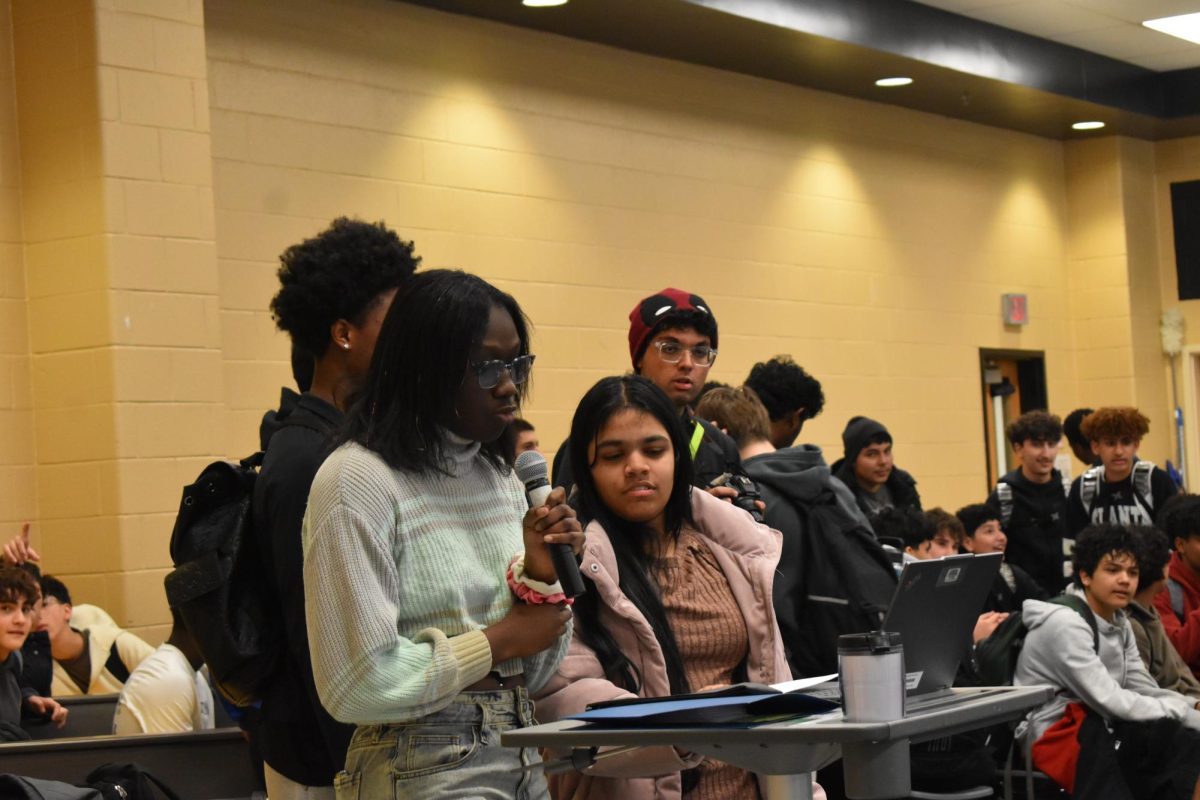
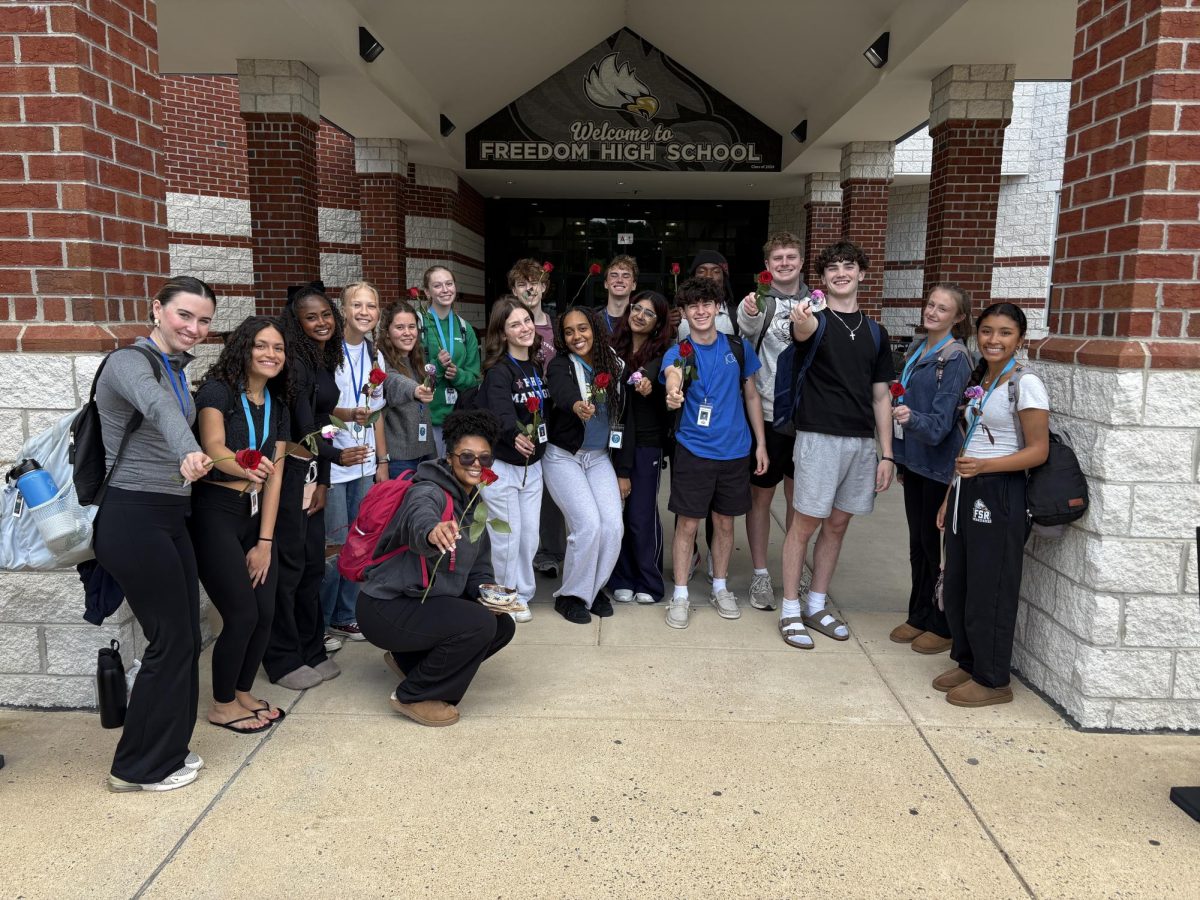
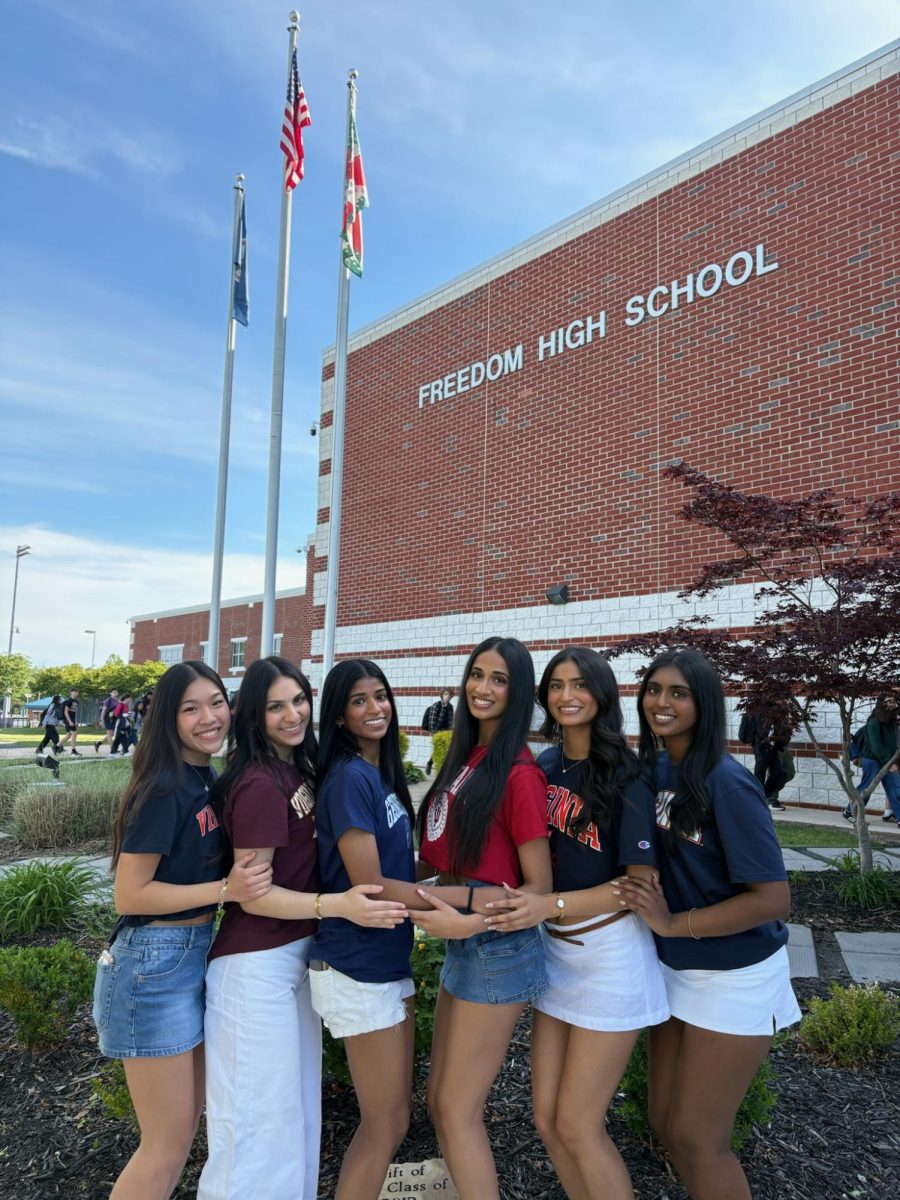

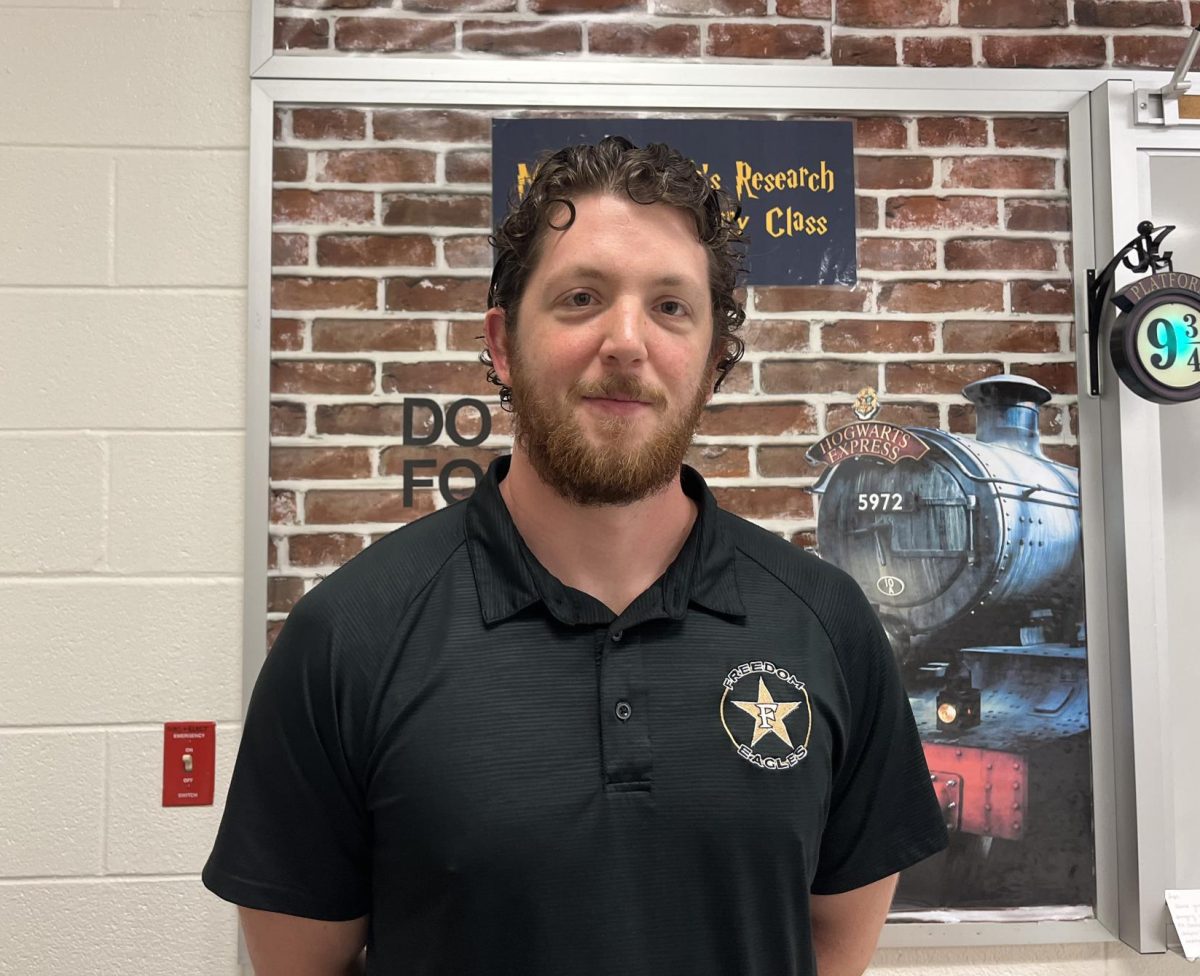







The Positive Experiences in Educational Relationships (PEER) is a program at Freedom High School that gives selected juniors and seniors the chance to mentor younger students throughout the area through mentorship, leadership activities and communication exercises. Students in the program learn how to guide others while building meaningful relationships across different age groups. For many students, PEER becomes more than just a class because it creates friendships, confidence and a stronger sense of community within the school.
Unlike many classes at Freedom, PEER has a competitive application and selection process. Students cannot simply sign up for the course. Instead, they must first be nominated by a teacher before moving through additional steps including an essay and an interview with the program advisors.
Students involved in PEER say the process is meant to identify students who can handle responsibility and serve as positive role models within the school community.
“First I was nominated by a teacher. Then I had to write an essay and complete an interview with the advisors before they made their decisions,” said senior Jeremiah Chery.
The selection process also gives students the opportunity to reflect on leadership and communication before entering the program. Advisors look for qualities such as patience, maturity and dependability when deciding which students will become mentors.
“I think they look for students who are responsible, patient and good at communicating with others,” said senior Kenneth Vo.
Each PEER student is assigned three mentees including one elementary school student, one middle school student and one high school student. Since every age group communicates differently, mentors must adjust the way they interact depending on the needs of each student.
Mentors say elementary students often require more energy and encouragement while middle school students may need guidance during transitional years. High school mentees usually look for advice or support from someone closer to their own age. Because of this, PEER students learn how to adapt their communication style and create connections with many different personalities.
“With elementary students I try to be more energetic and encouraging. Middle school students usually need guidance and high school students mostly want someone to listen,” said senior Kiera Dennison
The experience can sometimes be challenging because mentors balance the needs of three completely different students at once. Still, many PEER students say those challenges help them grow into better communicators and stronger leaders.
“It can be difficult because every age group needs different kinds of attention and support,” Chery said.
Along with helping younger students, PEER also gives mentors opportunities to grow personally and professionally. By working closely with teachers, counselors and administrators, students develop leadership and communication skills that may help them in future careers and everyday life.
Many students say the program improves their confidence and helps them feel more comfortable speaking with others in professional settings.
“PEER helped me become more confident when speaking to people and taking leadership roles.,” Dennison said.
Students also form strong bonds throughout the program. Mentors work closely with staff members, fellow PEER students and their mentees throughout the school year. These connections often help create a welcoming and supportive environment within the school community.
“I have built relationships with teachers, counselors and other students that I probably would not have met otherwise,” Vo said.
For many mentors, the most rewarding part of PEER comes from watching younger students grow more comfortable and confident over time. Some mentors say they have seen shy students begin participating more during meetings and activities as the year progresses.
“One of my mentees was really shy at first but later started opening up and participating more during meetings,” Dennison said.
Students involved in PEER believe the program is important because it gives younger students support from mentors who may better understand what they are experiencing. Through leadership, mentorship and relationship building, the program continues to connect students across grade levels while helping mentors strengthen important life skills.
“Programs like PEER are important because students sometimes feel more comfortable talking to another student instead of an adult,” Chery said.